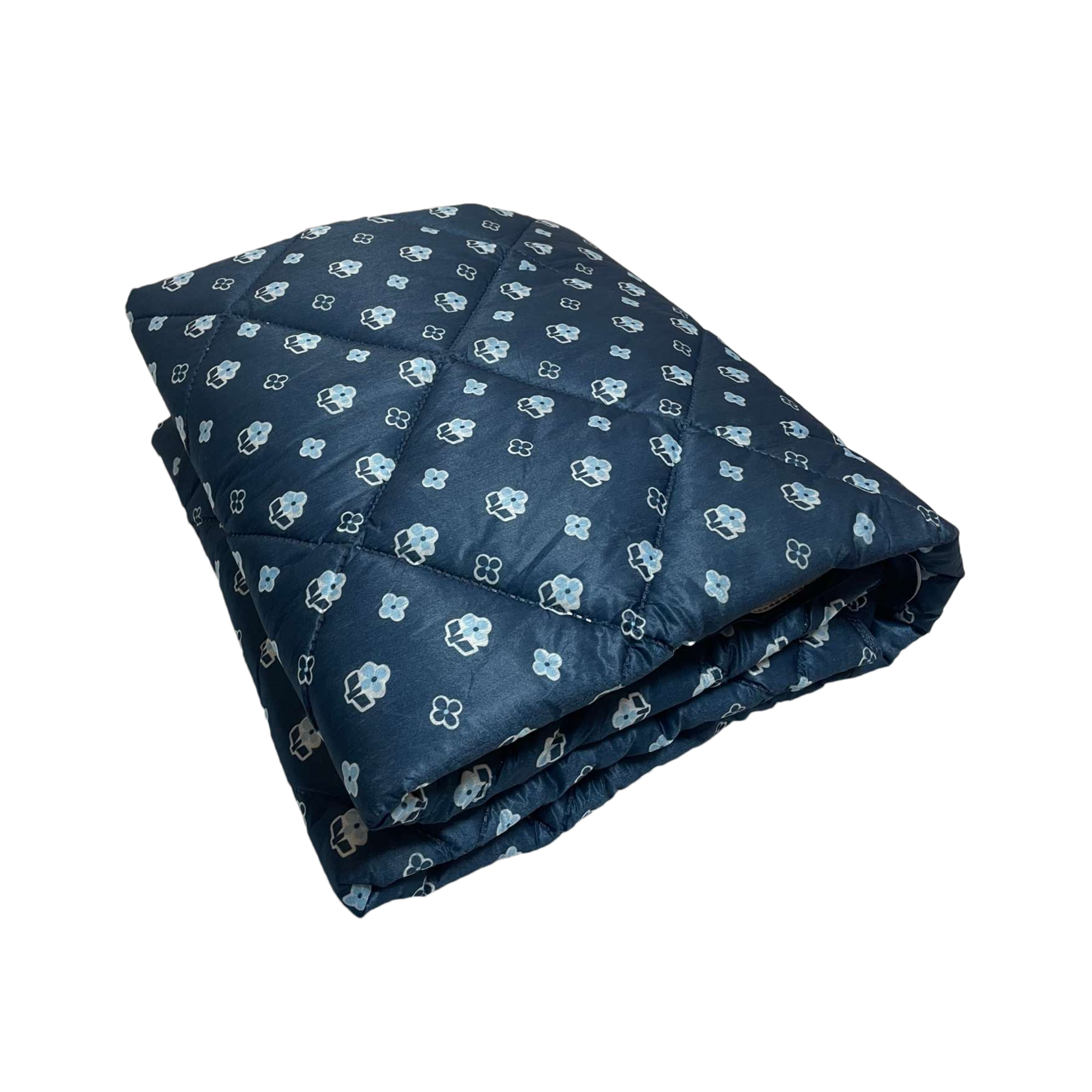
Model:M4008-2
Material: Spunlace
Size: 150x200cm
Color:dark blue
Weight: 850g/pc
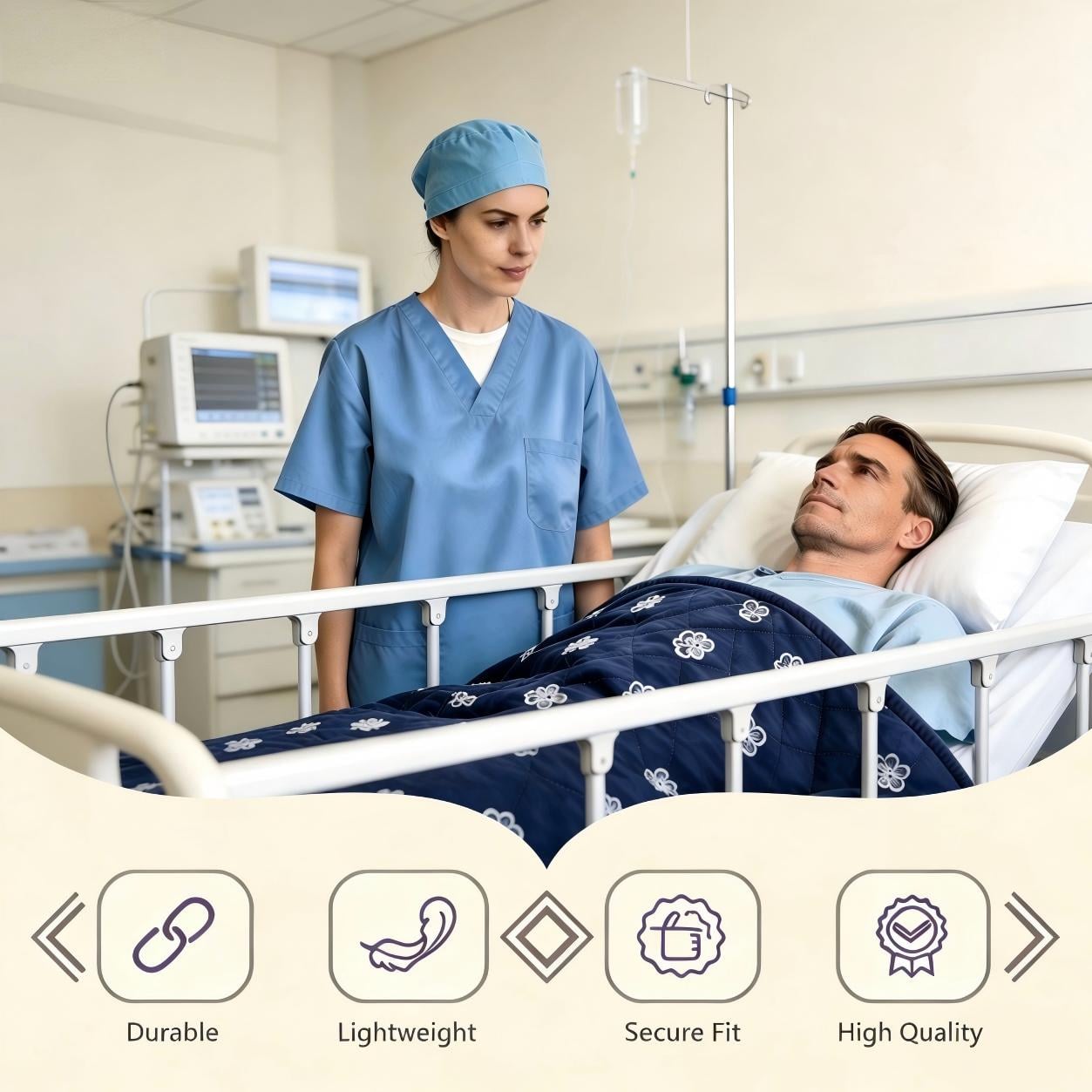
Keep warm especially for the patient in need of emergercy treatment.








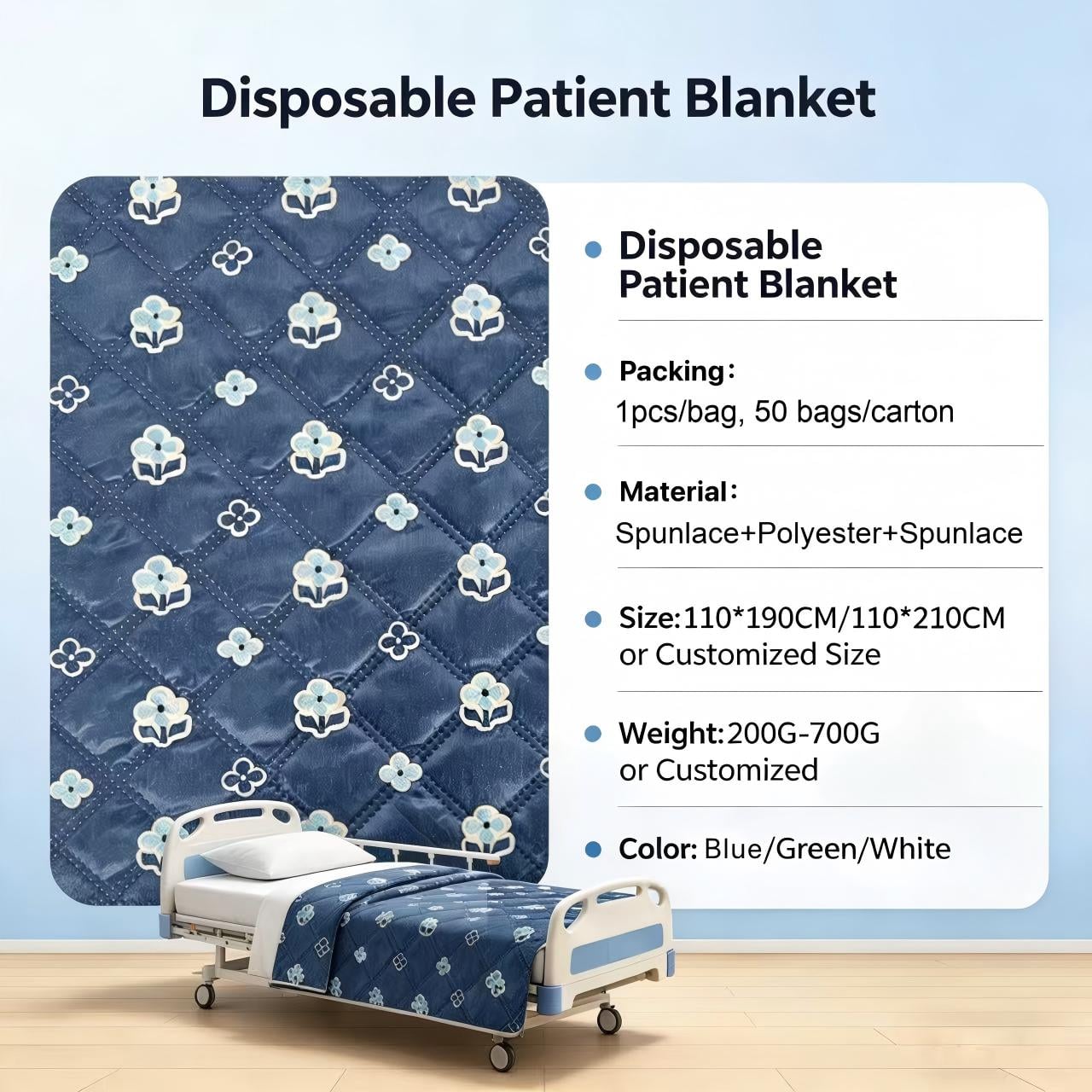
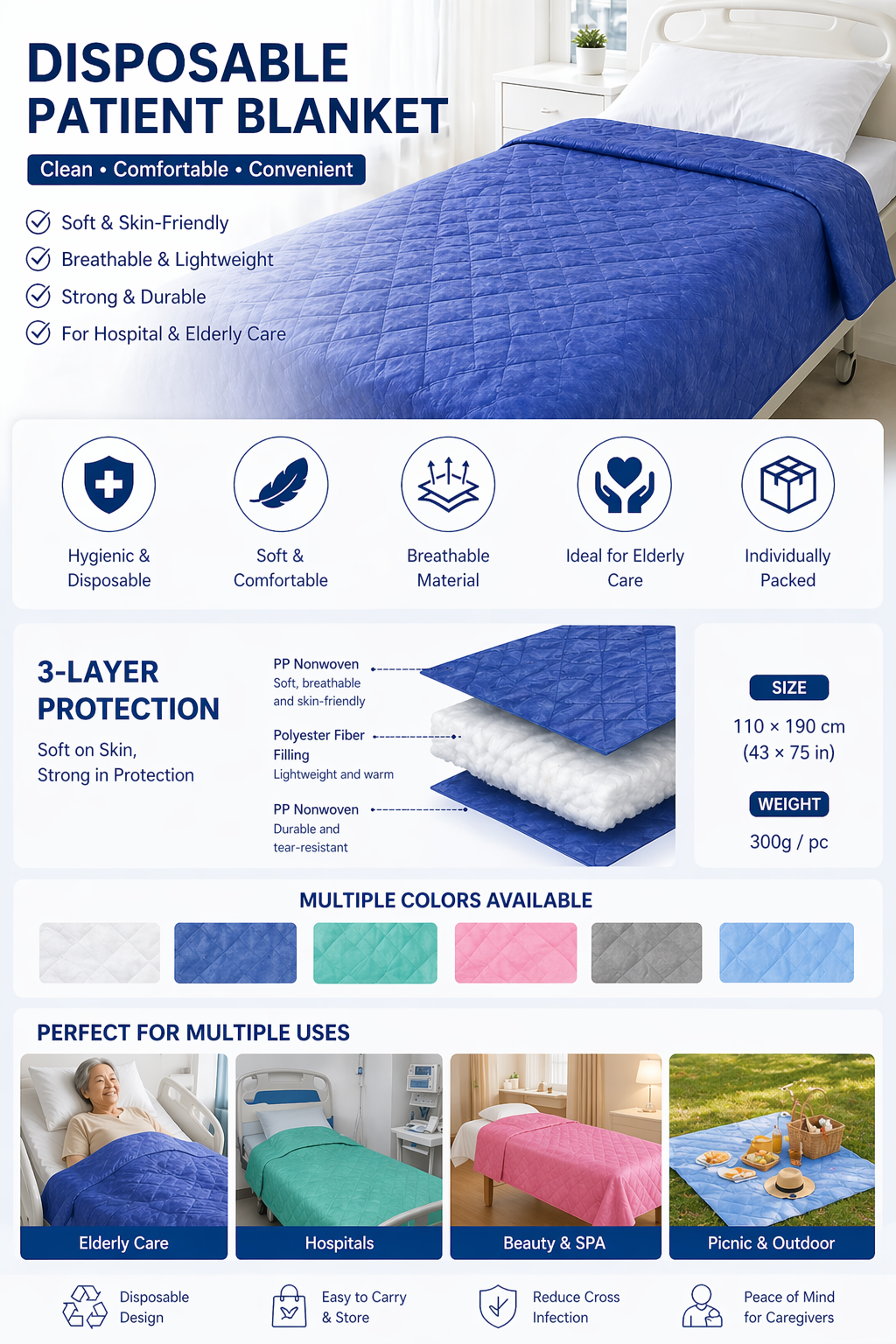
| Product Name | Disposable thickness warm blanket for patient |
| Material | Spunlace outside, Polyester inside |
| Size | 150x200cm |
| Color | White, green, dark blue |
| Weight | 850g/pc |
| Package | 1pc/bag,25pcs/ctn |
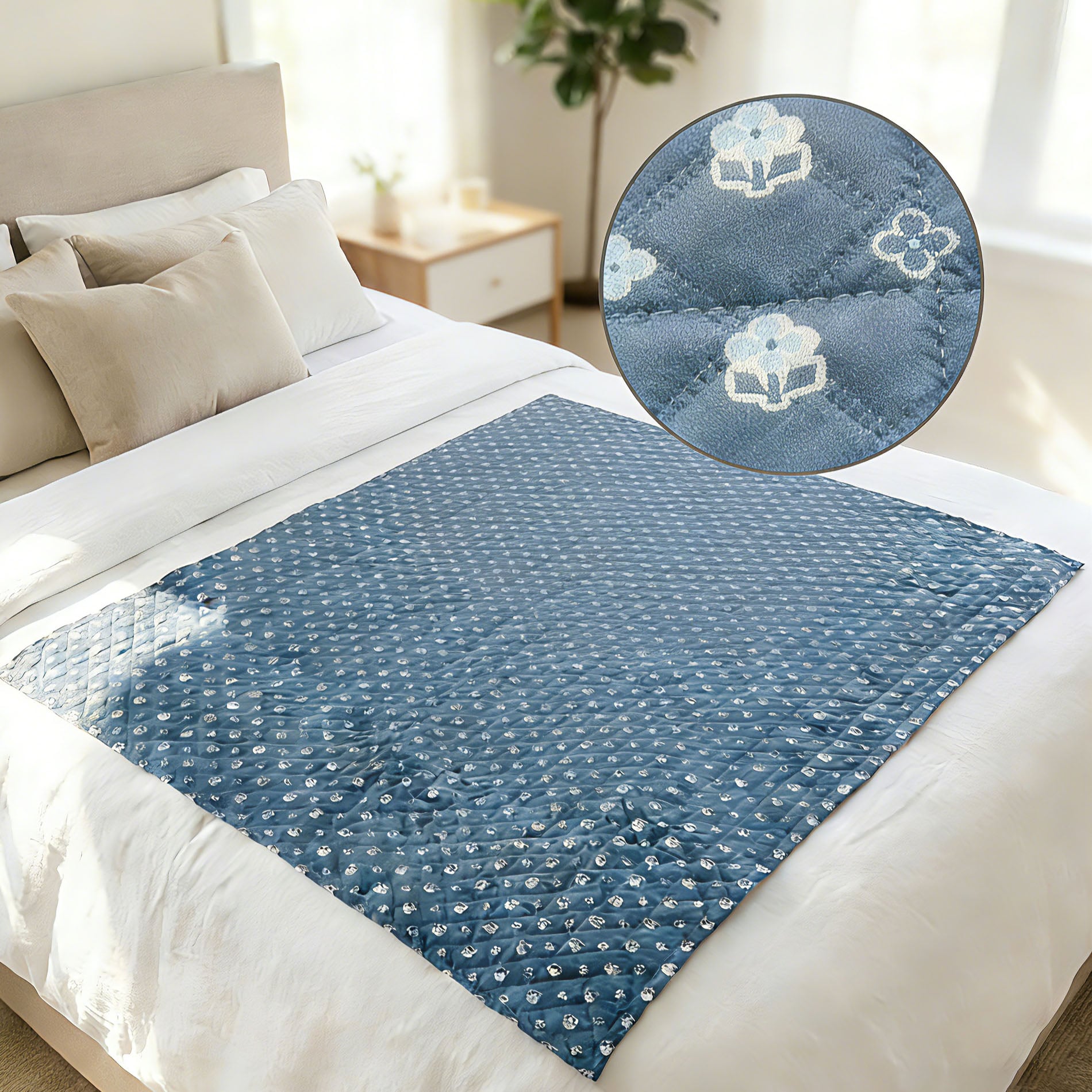
| Feature | super soft,flame retardant PP,Hygiene.keeping warm |
| Appliation | Hygiene,Clean nursing home,hospital,special care centre etc |
More description
This product is a single-use, non-sterile medical textile intended for use in healthcare facilities and care environments. Its primary purposes are to provide patients with temporary coverage, warmth, privacy protection, and a basic isolation barrier.
Detailed Intended Use and Application Scenarios:
Patient Warmth and Comfort:
To cover patients in outpatient clinics, emergency departments, hospital wards, or surgical waiting areas to prevent body heat loss, particularly when patients are wearing gowns or have parts of their body exposed.
To provide lightweight warmth during patient transfers (e.g., from a ward to an examination room).
Privacy Protection:
To drape over non-examined areas of a patient's body during physical examinations, therapeutic procedures (e.g., injections, dressing changes), or while assisting patients with changing clothes, thereby maintaining patient dignity and privacy.
Basic Isolation and Protection:
Protection for the Patient: Placed on surfaces such as examination tables, treatment couches, or surgical transfer trolleys as a single-use barrier to minimize direct skin contact with public healthcare equipment surfaces, reducing the risk of cross-contamination.
Protection for the Environment and Healthcare Workers: When a patient has minor fluid seepage, blood, or contaminants, the blanket can absorb and isolate these substances, protecting bedding, work surfaces, and facilitating quick cleanup and disposal.
In areas with higher infection control requirements (e.g., isolation ward entrances, fever clinics), it can serve as a temporary surface cover.
Specific Clinical Scenarios:
Outpatient Examinations: Standard covering for gynecological exams, ultrasound, ECG, etc.
Minor Procedures: Used as a protective layer during minor sterile procedures with relatively lower sterility requirements, such as wound debridement or suturing in outpatient/emergency settings.
Postpartum and Newborn Care: For drying or swaddling newborns, or providing warmth for postpartum mothers.
Emergency and Disaster Response: Used in pre-hospital care, outdoor rescue, or disaster relief scenarios for patient coverage and temporary insulation.

Trust our expertise for superior quality and reliability in every medical application.


Copyright © Xiantao Topmed Nonwoven Protective Products Co.,Ltd. All Rights Reserved. | Sitemap | Privacy Policy
 EN
EN
 AR
AR
 BG
BG
 HR
HR
 CS
CS
 DA
DA
 NL
NL
 FI
FI
 FR
FR
 DE
DE
 EL
EL
 HI
HI
 IT
IT
 JA
JA
 KO
KO
 NO
NO
 PL
PL
 PT
PT
 RO
RO
 RU
RU
 ES
ES
 SV
SV
 TL
TL
 IW
IW
 ID
ID
 LV
LV
 LT
LT
 SR
SR
 SK
SK
 VI
VI
 HU
HU
 TH
TH
 TR
TR
 FA
FA
 GA
GA
 CY
CY
 IS
IS
 LA
LA