EN
EN
 AR
AR
 BG
BG
 HR
HR
 CS
CS
 DA
DA
 NL
NL
 FI
FI
 FR
FR
 DE
DE
 EL
EL
 HI
HI
 IT
IT
 JA
JA
 KO
KO
 NO
NO
 PL
PL
 PT
PT
 RO
RO
 RU
RU
 ES
ES
 SV
SV
 TL
TL
 IW
IW
 ID
ID
 LV
LV
 LT
LT
 SR
SR
 SK
SK
 VI
VI
 HU
HU
 TH
TH
 TR
TR
 FA
FA
 GA
GA
 CY
CY
 IS
IS
 LA
LA


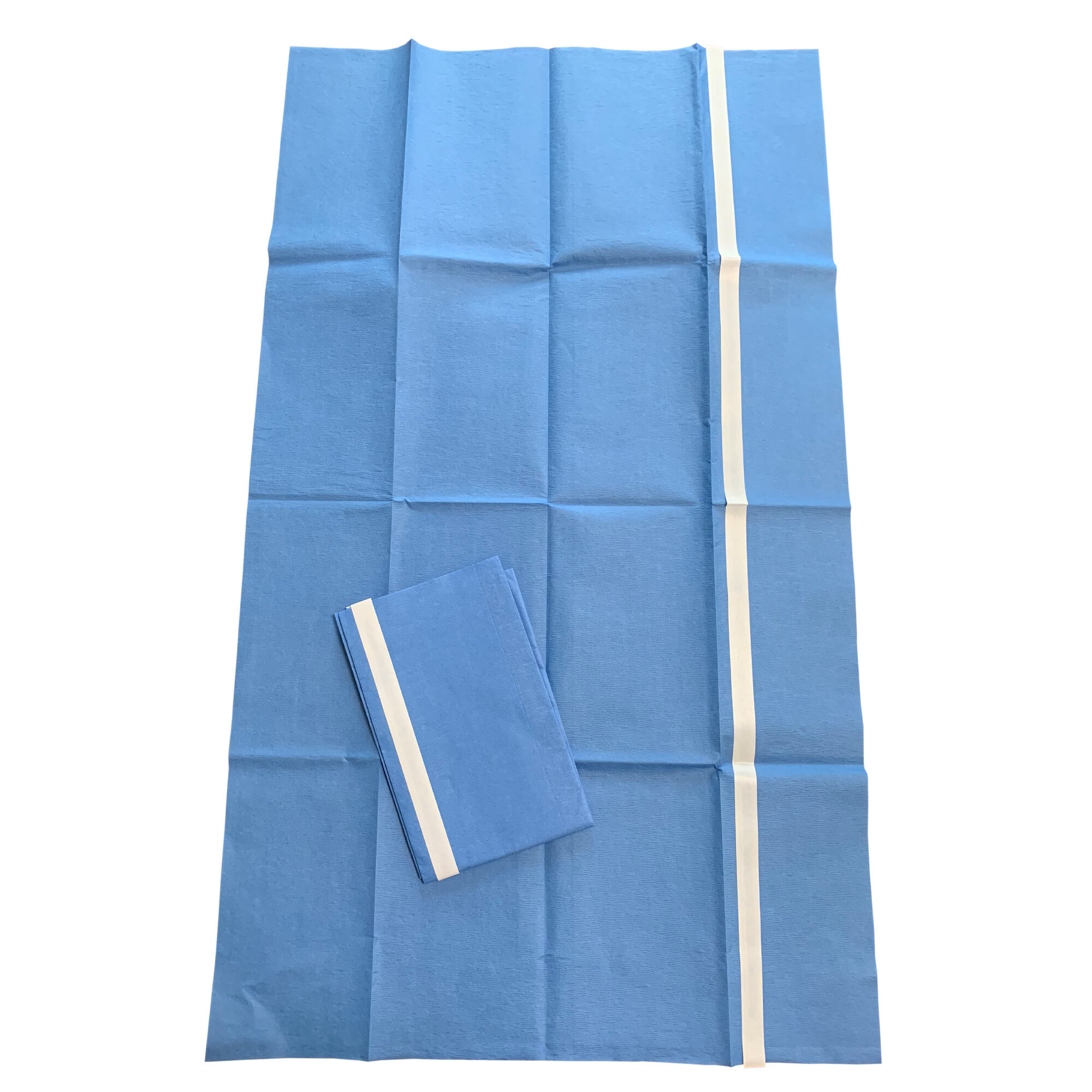
How well surgical drapes stick to you is a big deal, especially if you’re undergoing surgery. Doctors and nurses must take care not to get germs and bacteria in the area where they are working when they perform surgery. This is called a sepsis. A surgical drape is a sterile covering that prevents contamination. If the drape doesn’t adhere to the skin or table very well, it can create crevices through which germs pass. That’s also why adhesion to the surgical drape is so important. At Topmed, we know patient safety is the most important factor, and we strive to ensure that our products are keeping an area clean for safe surgeries.
What Makes Surgical Drape Adhesion So Important to the Aseptic Environment of an Operating Room
Surgical drape adhesion is important as it assists in preventing germs from entering the surgical site. The drape sticks well, creating a barrier to bacteria. Visualize this as placing a lid on a jar. Dust and dirt can make their way inside from a poorly fitting lid, for example to spoil the contents. Conversely, if the drape is too baggy, germs can sneak in and cause infections. A tight seal is important. It keeps things sterile in the area.
In an operating room, doctors and nurses have dozens of instruments and supplies. Every time they do, germs can spread. Even a tacky drape may fail to remain in place and becomes detached or in the way. This may allow the region to be contaminated from outside. At Topmed we ensure that our surgical drape are designed to stick securely. This ensures they don’t slip and create a strong barrier against bacteria.
Another reason adhesion is so critical: It allows the surgical team to work with confidence. And when they feel that drape is attached right, then they know more about surgery than germs. This emphasis is crucial to an operation. In addition, good adhesion may enable a decrease in the time required for set up as well. The team can move through preparing the operating room more quickly if a drape adheres better, meaning they get to the surgery faster.
And let’s not forget that certain kinds of surgeries might require specific drapes. Some procedures, such as bigger surgeries, require larger drapes. Others might require a drape that incorporates special features, such as openings for devices. Whatever the need, Topmed ensures you will make everything clean and safe.
What Are The Facts About Drape Adhesion Infection Control?
The adhesion of surgical drapes is important in infection prevention. The following factors should be taken into consideration when choosing surgical drapes. Certain materials stick more easily than others. That is why Topmed offers drapes that are manufactured from quality materials, and have been carefully designed to stick well during various surgeries. Using the right material also plays a big part in helping it stay on.
It is also important that you know how to put on the drape properly. An improperly positioned drape can result in gasping. Bacteria may enter through these spaces, which can expose a patient to danger. Education of the staff, in the proper use of draping materials, is a fundamental aspect in keeping sterile technique. It’s not only about having the right products, it’s also about knowing what to do once you have them.
There is also the issue of microscopic OR background. Clean and dry out the room. A wet or dirty surface may impede the adherence of the drape. It’s always best to keep the area clean so that it’ll stick better when you hang up your drapes. Which is why the squad always has maintain proper cleaning protocols prior to surgery.
Lastly, it’s crucial to frequently monitor the drapes during an operation. Occasionally, movement or other such forces can even break the best of bonds. In case of a loose drape the surgical staff should respond immediately. This may require altering the drape, or even moving it from its place of honour. At Topmed, we believe in giving healthcare workers the information and tools they need to keep patients safe.
In conclusion, surgical gown adhesion the best way to keep surgeries safe and sterile. With proper selection and use of drapes, operating staff can significantly diminish the risk of infection. Topmed is dedicated to offering the best products and services to aid in this important aspect of patient care.
How to Select the Best Surgical Drapes for Optimal Tackiness and Asepsis
It remains an essential part of keeping things clean in surgery by using the correct surgical drapes. When doctors do operations, they have to be sure that germs cannot get into the area that they are working in. Topmed also sells surgical drapes that adhere to skin and other surfaces. This sticking, or adhesion, is what keeps the drapes in place and stops germs from sliding underneath them. When selecting surgical drapes, you would want to select material that is sterile but durable. Good drapes are often fashioned from a special kind of fabric that repels germs and liquids.
Another key consideration is how much the drapes adhere to skin. A drape that does not stick may raise up and shift during surgery. This can leave openings for germs to enter. The Topmed surgical drape contains a special adhesive to anchor them. When selecting surgical drapes also see if they are easy to use. The faster and easier they are to put on, the more time saved for the surgical team. That’s less time for the patient to wait and an easier start to the operation. In addition to that, you need to chose the drape which will cover the correct portion. The blocks should be of a size to cover the whole surgical site so nothing is left exposed. In the meantime, you are minimizing opportunities for contamination. To sum it up - in selecting surgical drapes, prefer robustness and adhesiveness as well as ease of application and coverage. Topmed’s drapes is the solution for all of these needs to make sure surgeries can be done safely and clean.
What Will Happen If Surgical Drape is not Well Adhered in Surgery?
Poor sticking of surgical drapes can cause a great deal of problems. Subpar adhesion can leave gaps for germs to hide. That can raise the risk of infections, which is a scary complication in any medical procedure. Infections can lead to severe complications in patients. When a patient contracts an infection after surgery, they may require additional treatment that is painful and taxing. That is why it’s so important to have drapes that are properly adhered.
It can however be an issue if the drape has poor adhesion giving a potential break for surgery to be disturbed. If a drape is displaced or flops during surgery, the surgical team may be called upon to stop and correct it. This can waste time that is needed and may be dangerous to the patient. And longer surgery means more anesthesia and longer recovery for the patient, which is not always a good thing. What’s more, if the surgical team is occupied trying to repair drapes, their full attention may be taken off of the actual surgery. This has the potential to result in errors, which can be harmful.
Also, poor adhesion may lead to an increase in wastes. Draperies, unless they are adhering very well, might have to be replaced more often. And to top it all, this is a waste that involves more money and also adds to the, as well. To prevent this, invest in high quality curtains, provided by Topmed. Strong adhesion of the drapes reduces infection, smoother surgery and reduces wastage. Clinging draperies are notably pertinent during medical practice to prevent patient harm and surgery effective.
Effects Of Draping On Patient Safety And Surgical Result
The well-being of their patients during surgery is the most important concern for any medical team. This largely depends on the adhesion of surgical drapes. When drapes adhere well, they serve as a solid barrier against germs. This barrier is useful in reducing surgery cleaning and infection risk. Research shows that when patients are shielded from infections, they heal faster and fare better.
A good drape adhesion allows the surgical team to operate more efficiently. And when everything is held in place, the doctors and nurses can concentrate on performing the surgery rather than adjusting drapes. Has such an impact that it may be a springboard to success in the operating room. For instance, when a physician is able to focus solely on a procedure they are less inclined to commit errors. This is to say that patients are more likely to fare well in surgery.
High-quality drapes such as Topmed ’s reduces the risk of infections and making surgical procedures more efficient. Moreover, excellent adhesion can also contribute in emergency situation. If something unexpected takes place during the surgery it is possible for the surgical team to respond quickly and without concern that any drape will shift in position. It can be crucial to saving lives.
Lastly, the effects of drape adhesion even transcended operating room practice. The fewer complications and smoother recovery patients have, the better their experience. This may also ultimately increase satisfaction with their care and trust in the healthcare system. In conclusion, good adhesion of a surgical drape is important for patient safety and successful operation. With Topmed’s top-quality drapes, medical professionals can guarantee that their patients have the best possible chances for success both during and post-surgery.
Table of Contents
- What Makes Surgical Drape Adhesion So Important to the Aseptic Environment of an Operating Room
- What Are The Facts About Drape Adhesion Infection Control?
- How to Select the Best Surgical Drapes for Optimal Tackiness and Asepsis
- What Will Happen If Surgical Drape is not Well Adhered in Surgery?
- Effects Of Draping On Patient Safety And Surgical Result